2024 Downtown Protected Bike Lane Pilot
The Anchorage PBL Pilot Study Final Report and Final Research Presentation are now available.
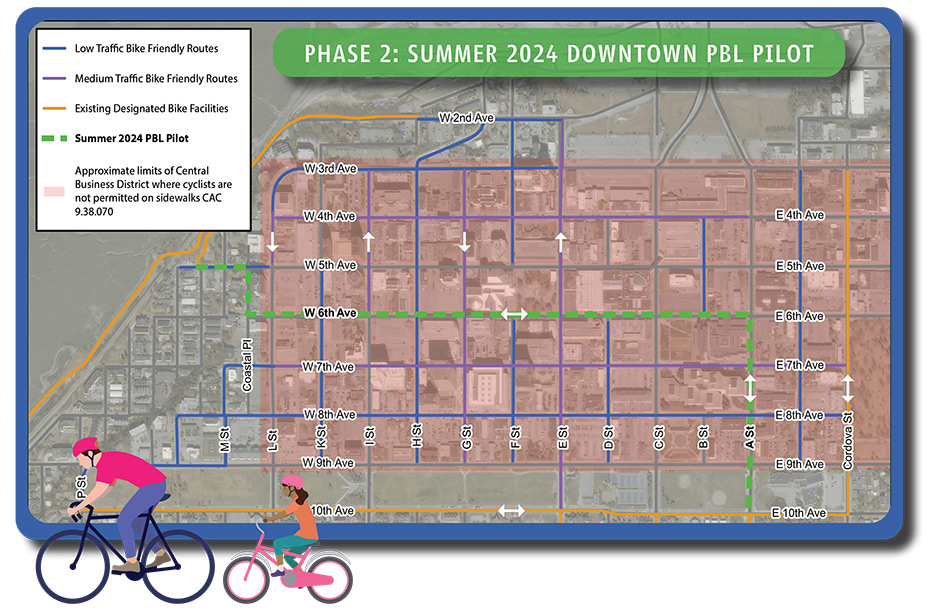
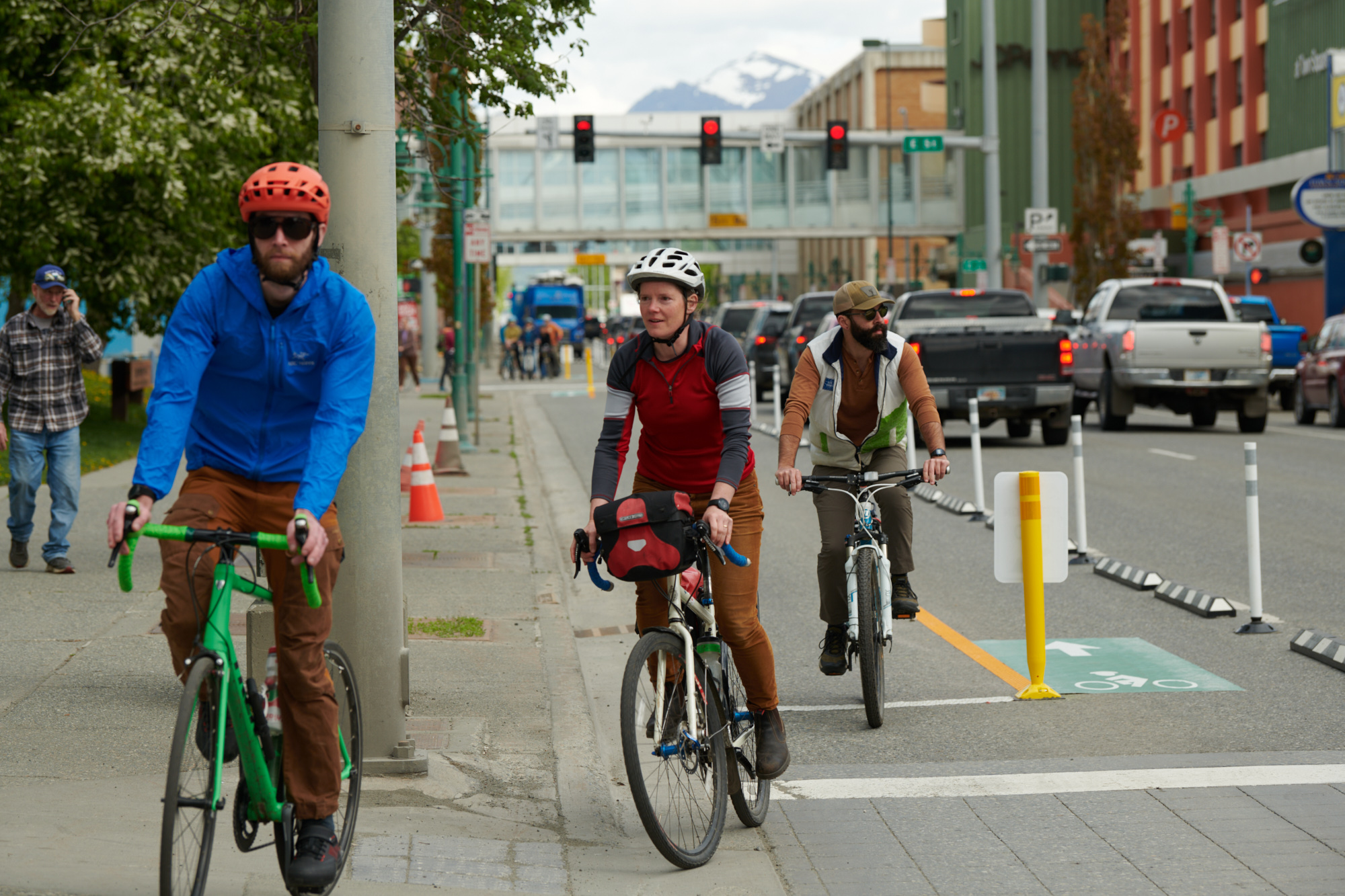
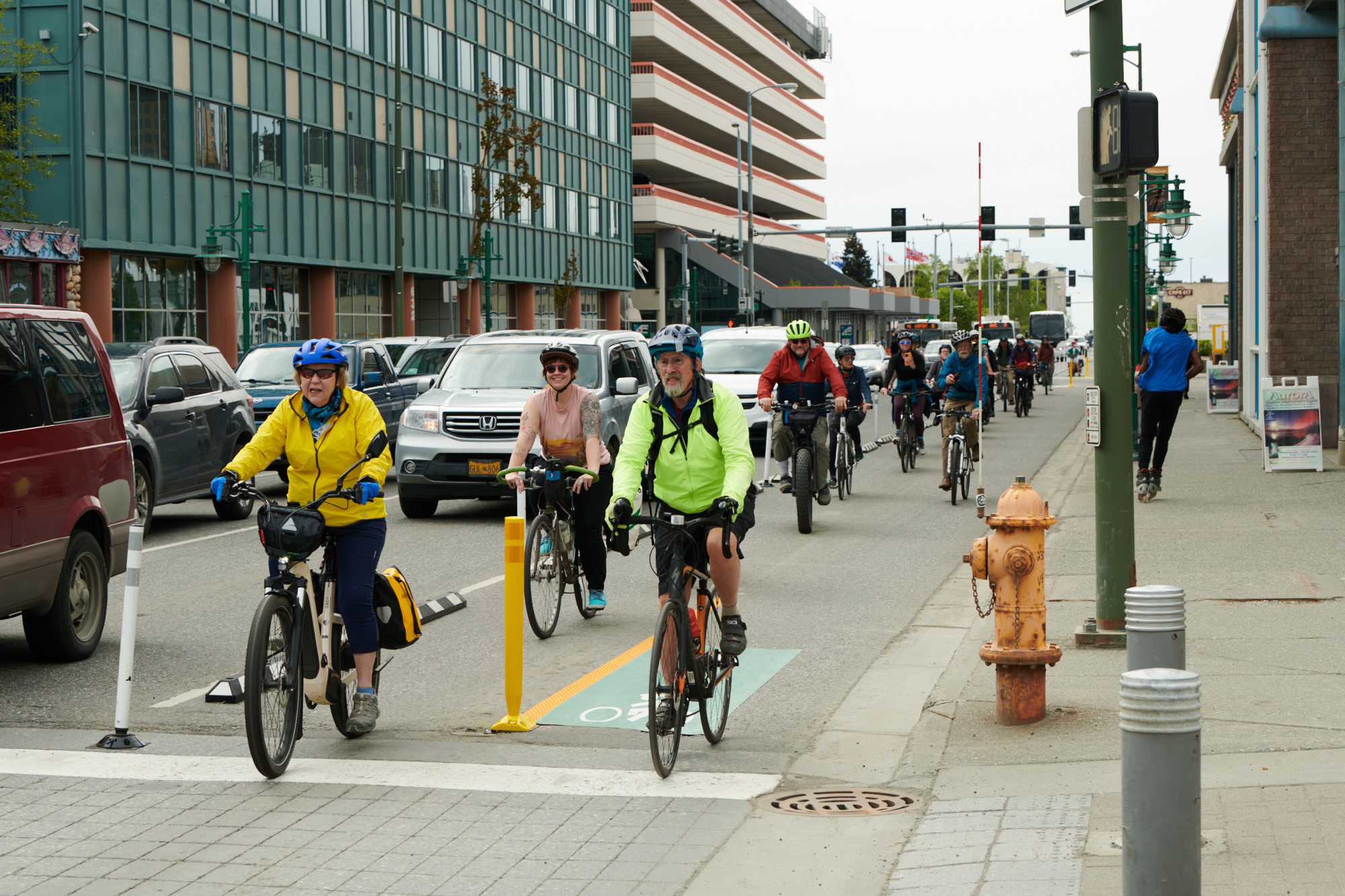
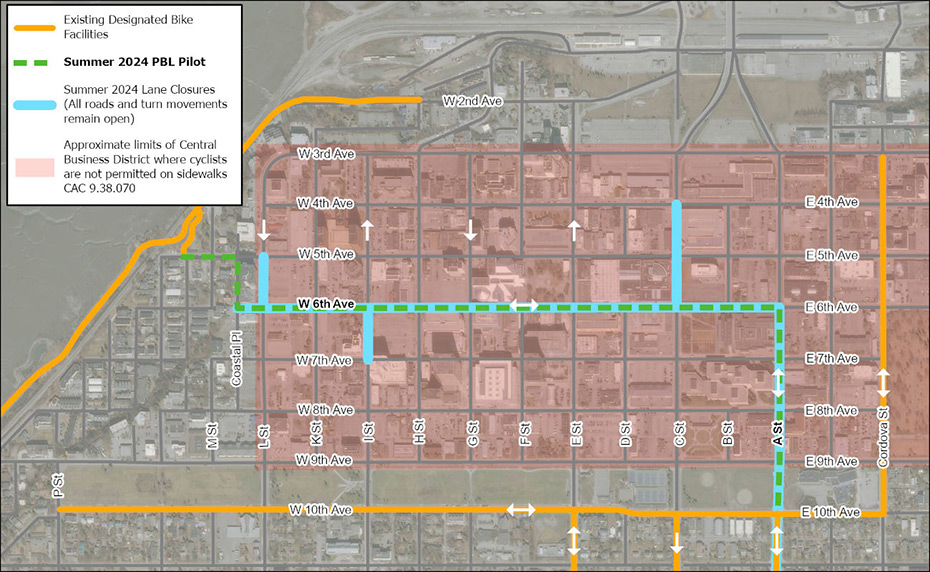
Phase 2 of the larger study, the Summer 2024 Downtown PBL Pilot, will analyze Protected Bike Lanes (PBL) in different contexts than those tested during the September 2023 Pine/McCarrey Pilot. The 2024 route was intended to test a protected bike lane connection between the Coastal Trail and the Chester Creek Trail through Downtown, expanding access to areas currently challenging to cyclists. The Summer 2024 Pilot took place along 6th Ave. from the Coastal Trail to A St., and A St. from 6th Ave. to 10th Ave.
- 6th Ave.: Two-way PBL was in the existing northernmost travel/parking lane
- A St.: Two-way PBL was in the existing westernmost travel lane
The combination of corridors provided a central, two-way spine of connectivity to allow cyclists safer access into and around the heart of downtown Anchorage, while minimizing the need for major intersection updates and limiting the impact on traffic operations.
Explore the PBL Corridor
Zoom in on this interactive map to see an overlay of where the PBL Pilot was located.
Lane Closure Map
Frequently Asked Questions
Why on 6th Ave. & A St.?
- 6th Ave. and A St. connect two major non-motorized entry points into downtown, including an existing multi-use path along A St. and existing on-street bike lanes. There is currently no designated on-street bikeway in the downtown core. Also, Anchorage Code prohibits riding a bike on downtown sidewalks.
- 6th Ave. and A St. have high traffic speed and volumes, making PBLs an effective choice to make cycling more comfortable in the roadway.
- Finally, a temporary PBL installation on 6th Ave. and A St. is highly feasible because the roadways don’t have major traffic turning movements, transit stops, or parking and the roadways are wide enough to accommodate existing traffic along with the temporary PBL.
What will the protected bike lane look like?
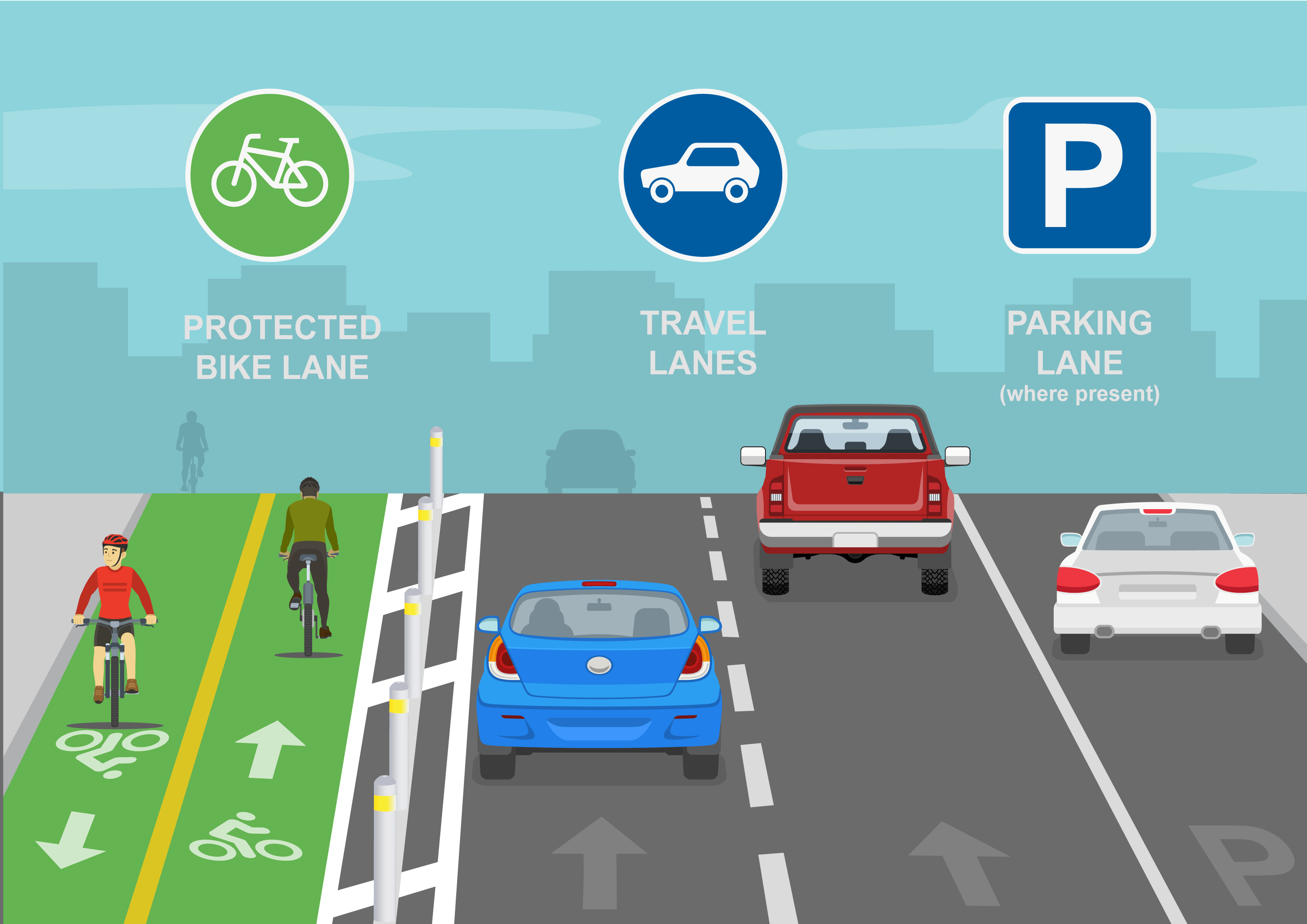
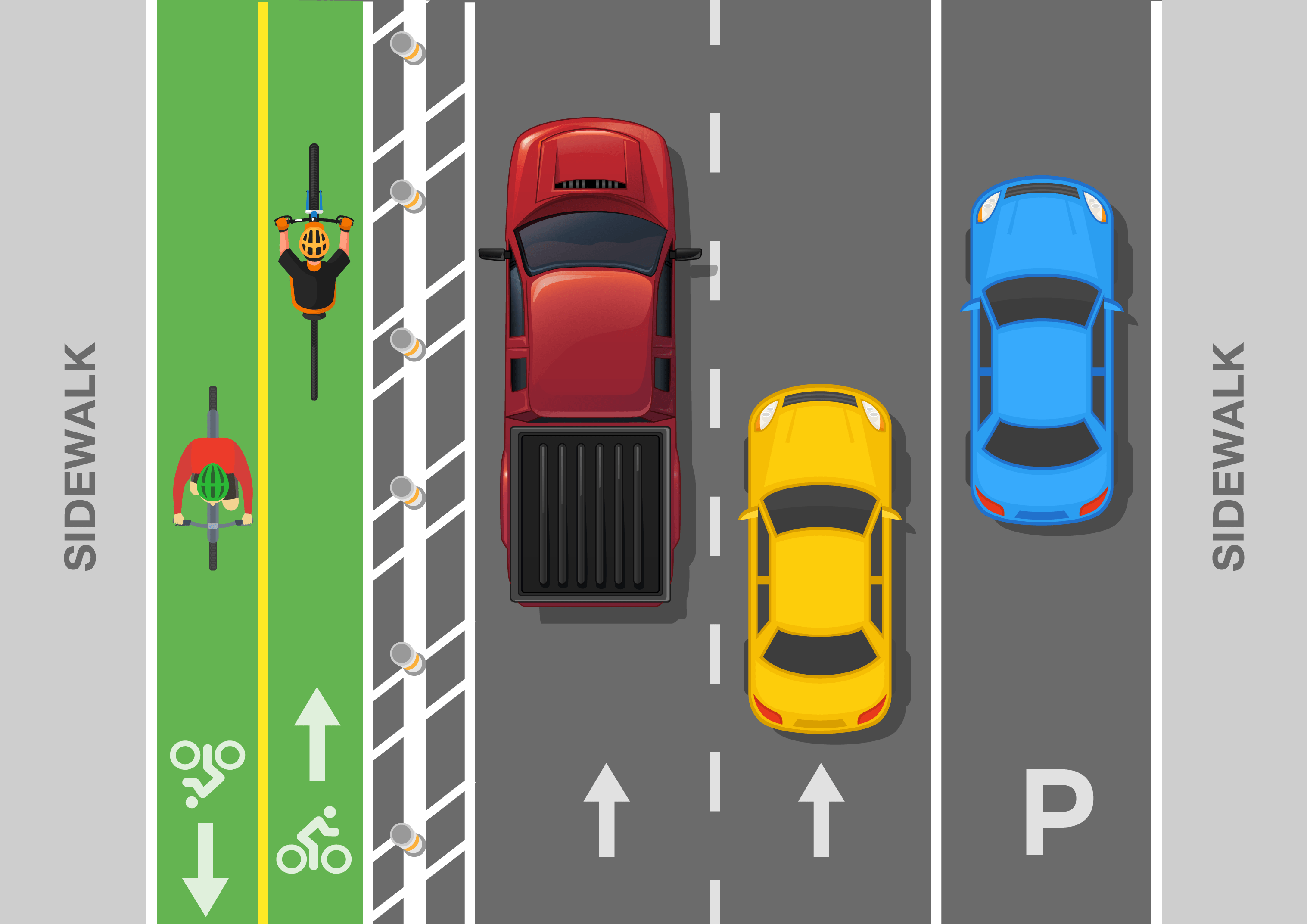
- The left travel lanes of 6th Avenue and A Street will be converted to two-way protected bike lanes, separated from remaining two vehicle lanes by plastic flex-posts or curbs throughout the entire project.
- Temporary striping and signage will alert turning vehicles entering and exiting the corridor to yield to two-way bike traffic.
- Temporary bike signals will be present for contra-flow cyclists.
Why a two-way protected bike lane?
A two-way network is essential to the usefulness and connectivity of the pilot. Incorporating two-way PBL decreases the pilot’s impacts by 50% and generally fits improvements in one lane of traffic.
Two-way facilities were not explored in Phase 1 but were requested in public comments by people supportive and critical of Phase 1. While new to Anchorage, two-way left-side PBLs aren’t uncommon throughout the U.S. and are a recommended treatment in Federal Highway Administration’s Separated Bike Lane Planning and Design Guide.
Who will use the protected bike lane?
Protected bike lanes are the recommended bikeway type for bicyclists of all ages and abilities. Because they provide more protection and separation from traffic lanes, they appeal to self-described “interested but concerned” cyclists who wouldn’t otherwise ride the network.
How will the protected bike lane affect Downtown businesses and drivers?
Decreasing the lanes of 6th Avenue and A Street and introducing vertical dividers will calm traffic on both roads resulting in an improved condition for cyclists and pedestrians and thereby improving the business environment. Traffic analysis shows a minor increase in congestion may be experienced during the evening peak hour at 6th & A, however the corridor will not be over capacity or create gridlock.
Benefits to Downtown Businesses:
Protected bike lanes are having positive impacts on businesses around the country.
Check out this document on “How 21st Century Transportation Networks Help New Urban Economies Boom – Protected Bike Lanes Mean Business
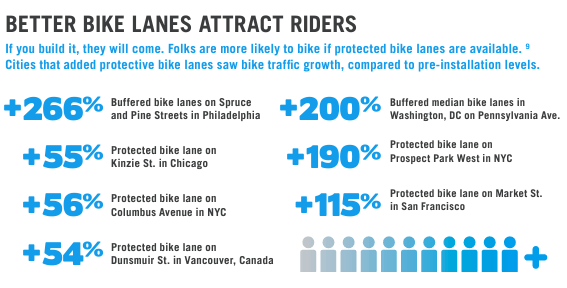
Source: John Pucher, Jennifer Dill, Susan Handy, and Ralph Buehler, “How to Increase Cycling for Daily Travel: Lessons from Cities across the Globe,” data presented at a joint webinar of the Institute of Transportation Engineers and the Active Living Research Program of the Robert Wood Johnson Foundation, August 14, 2013. http://bit.ly/16Cxv1W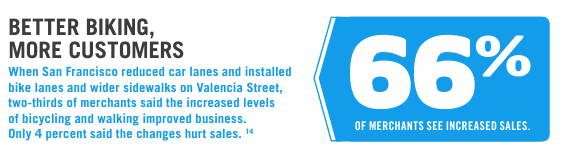
Source: Emily Drennen, “Economic Effects of Traffic Calming on Urban Small Businesses,” San Francisco State University, 2003. http://bit.ly/19NYG6m